






Description:
This micro-credential recognizes and validates learners’ competency in Remotely Operated Vehicle (ROV) technology, field operations, and aquatic survey design. Through the pathway, learners develop the skills to maintain and operate a remotely operated vehicle, plan and carry out an underwater survey from start to finish, and communicate results clearly to scientific, professional, or community audiences.
Learners progress from foundational knowledge assessed by quizzes at Level 1 to hands-on skill development at Level 2. At Level 3, learners apply acquired skills during a capstone project, internship, or on-the-job training that includes ROV survey methodology and a written or oral presentation of the results. They also reflect on the learning experience, skills, and future career paths, which could include (but is not limited to) to marine research, monitoring, and technology‑driven coastal work.
This training was developed by subject-matter experts from the University of Maine’s Darling Marine Center (DMC) and aligns with standards from the International Marine Contractors Association (IMCA) requirements for approved ROV introductory training courses.
Who is eligible to register?
- UMS Students, Faculty, and Staff associated with the Darling Marine Center, especially Semester-by-the-Sea students and summer interns.
- Others by permission.
What is the cost to the learner?
No cost
What is the delivery mode?
Hybrid, with in-person components at Darling Marine Center in Walpole, Maine.
Where can I find additional information?
Visit the Darling Marine Center micro-credentials web page (External Site).
Who can I contact to answer my questions?
Email Dr. Robert Jarrett at robert.jarrett@maine.edu.
View each level in the badging platform:
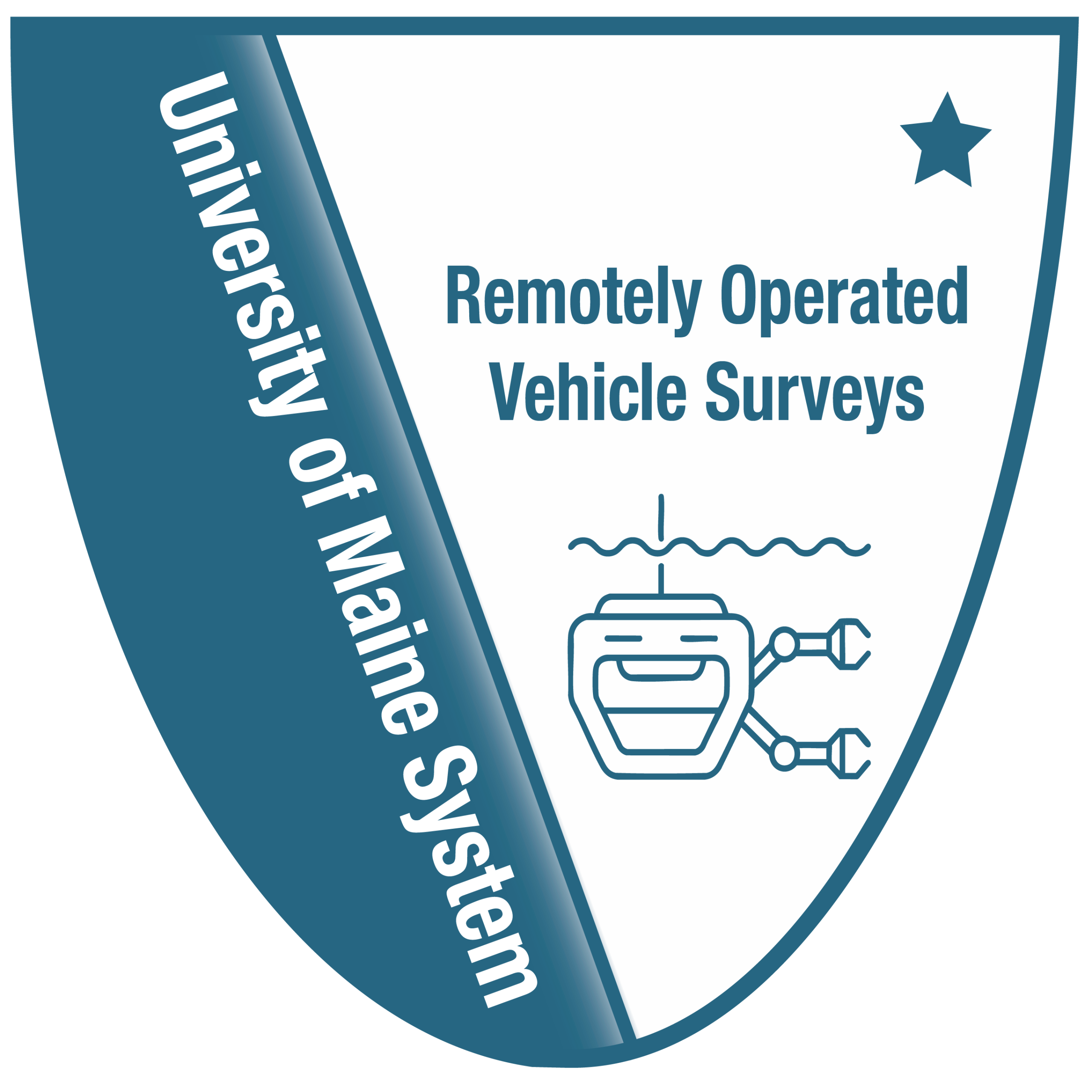
Visit the Micro-Credential Pathway for Remotely Operated Vehicle Surveys (External Site).
View the full list of Micro-Credentials
Last Update: 2/24/26